Gaja Lanka
Gaja Lanka National Elephant Observatory
PAGE 01 · PINNAWALA ELEPHANT ORPHANAGE

A LIVING SYMBOL OF ELEPHANT CONSERVATION IN SRI LANKA

Welcome to Pinnawala Elephant Orphanage, one of Sri Lanka's best-known elephant-care institutions.

Established to care for orphaned and vulnerable elephants, Pinnawala has developed into a major center for long-term elephant management, breeding, education, and public engagement.

Visitors can learn about elephant behavior and daily care while observing the herd and its routines. The institution also offers an opportunity to reflect on the responsibilities involved in caring for elephants under human management.

Founded 16 Feb 1975
Founding Herd 5 Calves
Ma Oya River 2 Daily Baths
Milestone Twin Birth 2021
01. THE LEGACY OF PINNAWALA

From five orphaned calves to a nationally recognized institution

Pinnawala Elephant Orphanage was established on 16 February 1975 by the Department of Wildlife Conservation. Its original herd consisted of five orphaned calves: Kumari, Neela, Kadira, Vijaya, and Mathali.

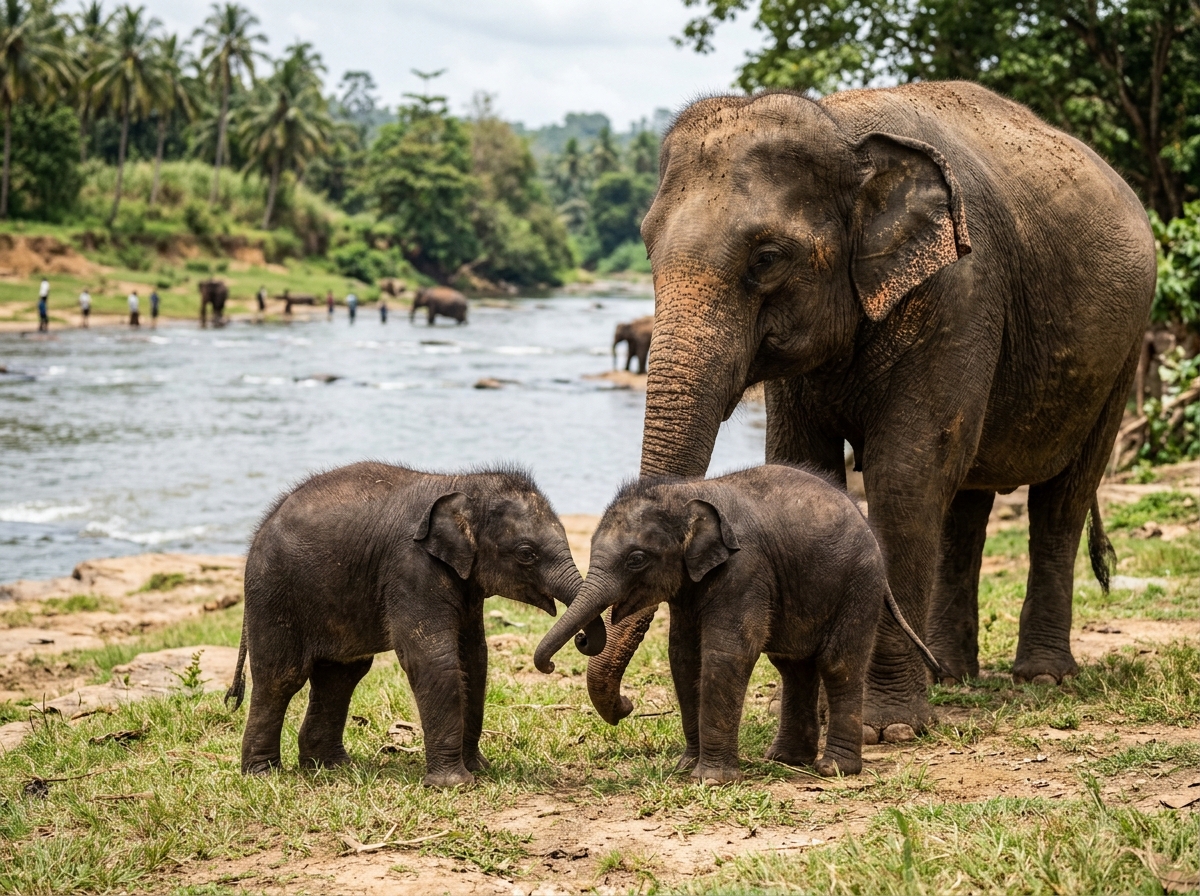
A major milestone followed in 1984, when Sukumali became the first elephant calf born at the institution. The orphanage subsequently developed a captive breeding programme, and the supplied institutional content records the birth of twin calves in 2021.

Pinnawala's history reflects the changing approaches to elephant care in Sri Lanka, including the management of orphaned elephants, veterinary care, breeding, public education, and animal welfare.

1975

The Beginning

Pinnawala Elephant Orphanage is established with five orphaned elephant calves: Kumari, Neela, Kadira, Vijaya, and Mathali.

Department of Wildlife Conservation
1984

A New Generation

The birth of Sukumali marks an important milestone in the institution's breeding history as the first captive calf born on site.

First Institutional Birth
2021

Twin Calves

Pinnawala records the birth of twin elephant calves, a notable and historic veterinary event in its ongoing history.

Historic Twin Milestone
Today

Care, Education & Engagement

Pinnawala continues to provide elephant care while welcoming visitors interested in Sri Lanka's wildlife heritage.

Active Conservation Node
info

Editorial note: Verify current herd totals and cumulative birth figures with the institution before publication.

02. LIFE AT PINNAWALA

Understanding the daily rhythms of the herd

Life at Pinnawala follows a managed routine that includes movement between designated areas, feeding, river bathing, rest, and veterinary care.

Observing these routines helps visitors understand the physical and social needs of elephants and the responsibilities of caring for a large herd.

schedule Daily Visitor Schedule

Reference Timetable
Time Activity Category
8:30 AM Orphanage opens; the main herd moves to its designated area Opening
8:30 AM A smaller group departs for the Ma Oya River River Bathing
9:15 AM Elephant fruit-feeding programme begins Feeding
9:45 AM Smaller group returns to the premises Movement
10:00 AM Main herd departs for river bathing Main Bathing
12:00 PM Main herd returns; smaller group departs for bathing River Swap
1:45 PM Smaller group returns Movement
2:00 PM Main herd departs for another river-bathing session Afternoon Bath
4:00 PM Main herd returns to the premises Return
5:00 PM Ticket counter closes Tickets Close
6:00 PM Visitor operations close Closure
*Schedule supplied in the reference content. Confirm the current daily timetable before visiting, as activities may change.
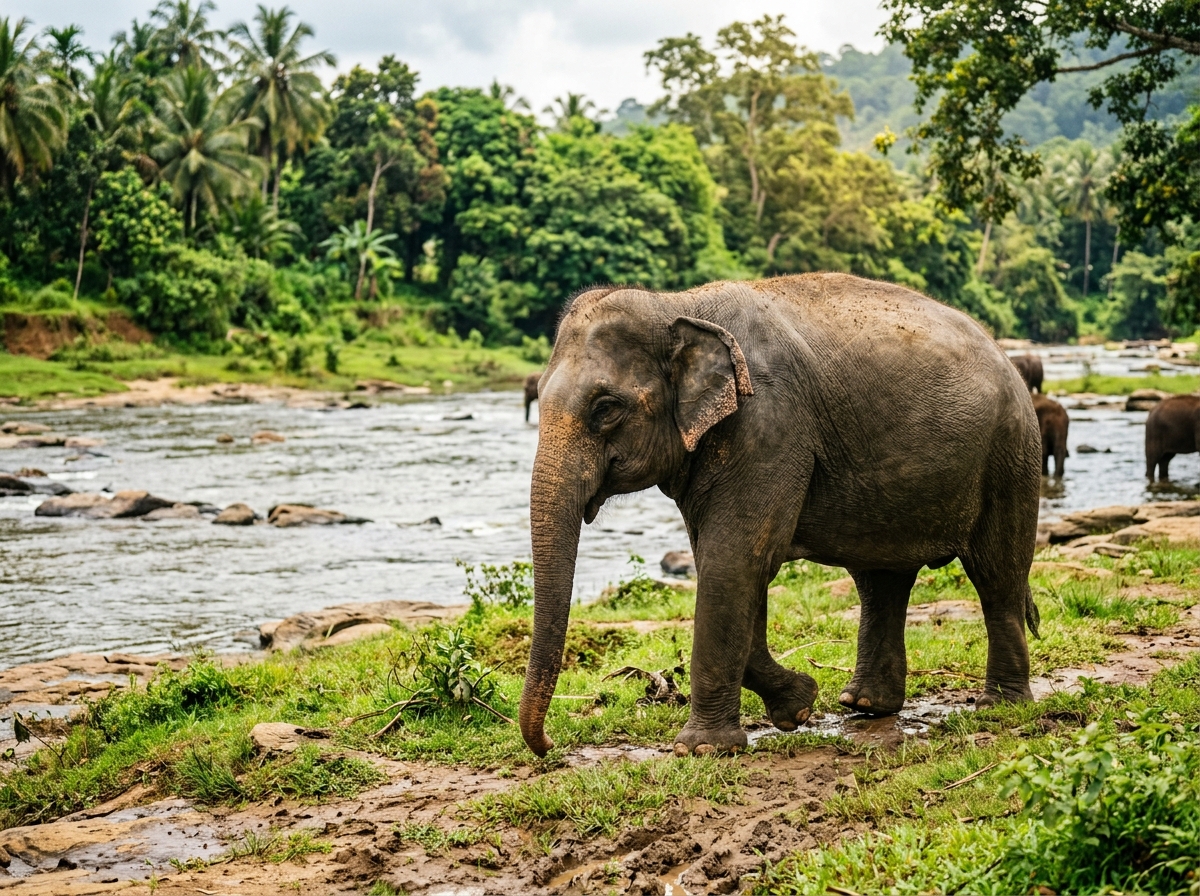
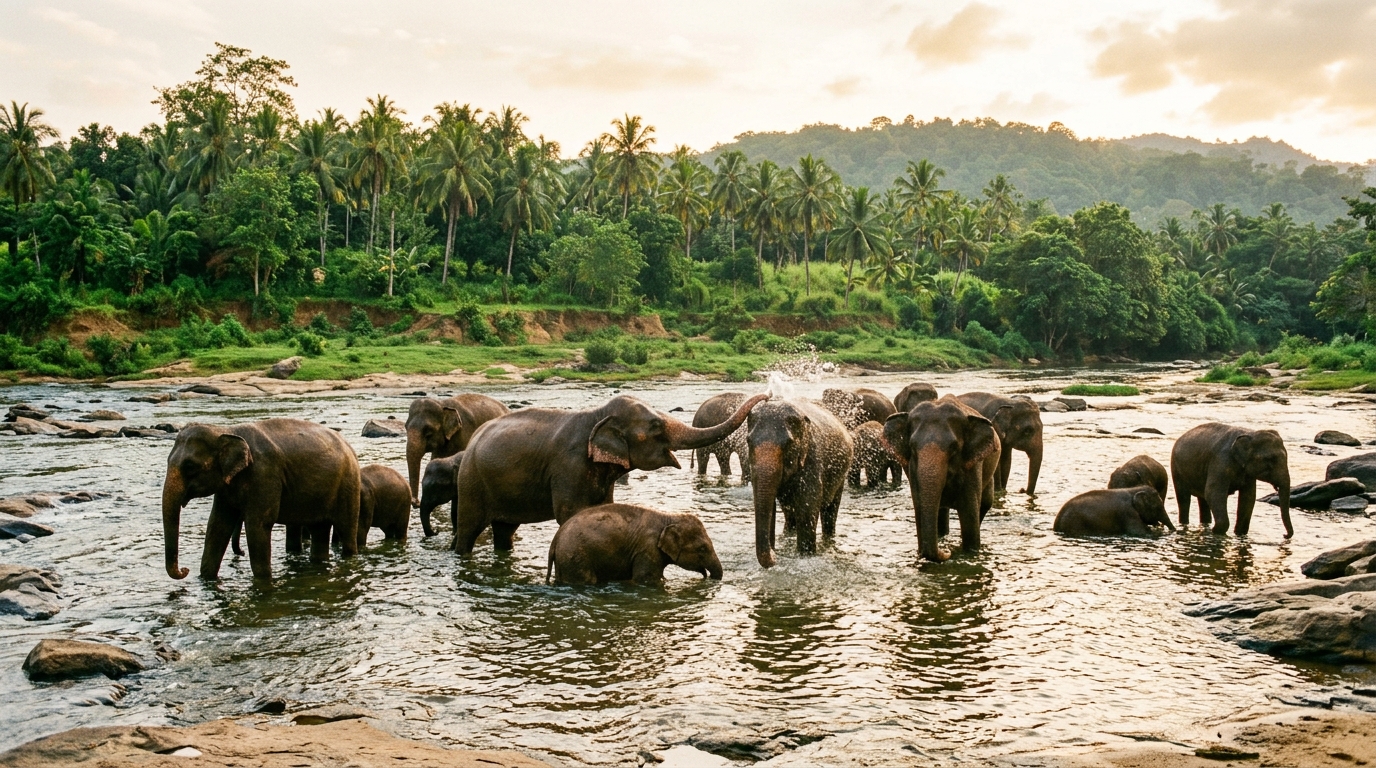
Ma Oya river bathing session
Ma Oya River Bath

The Ma Oya River Sessions

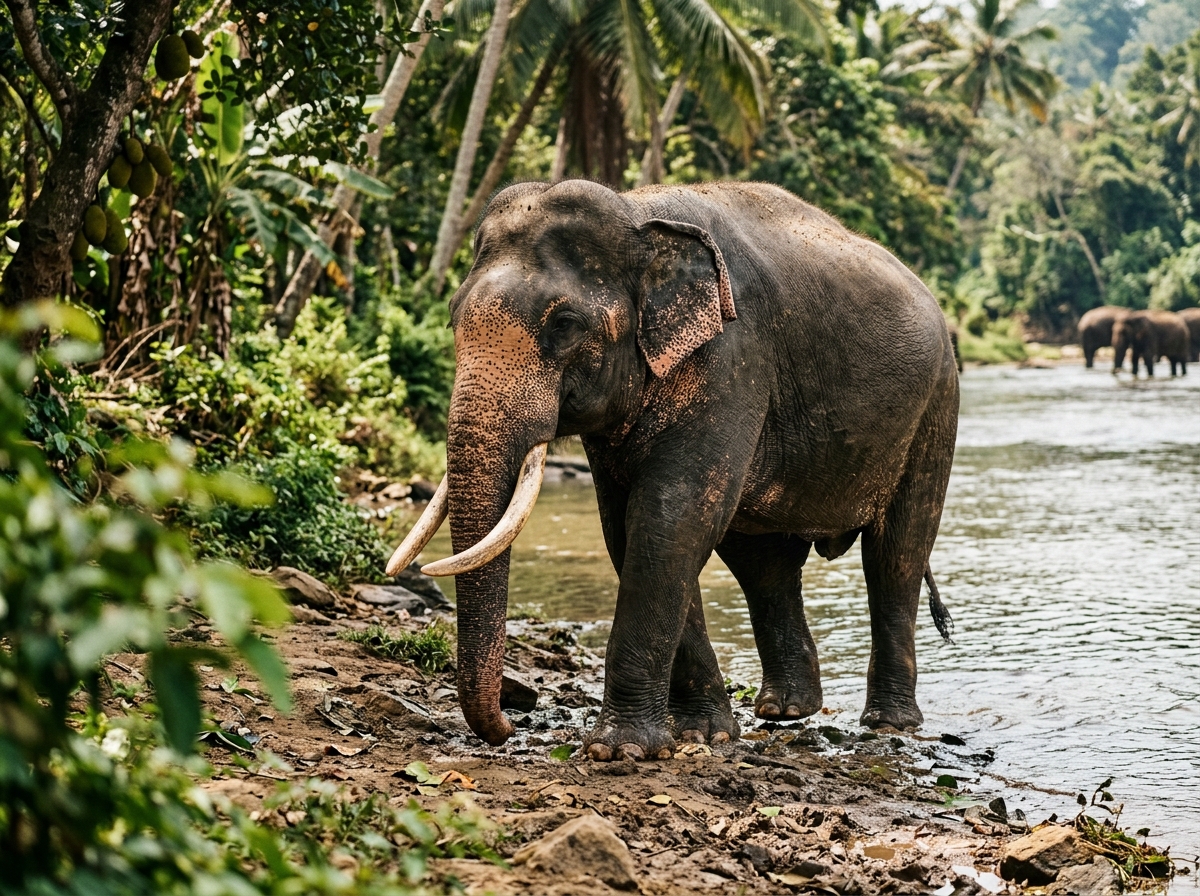
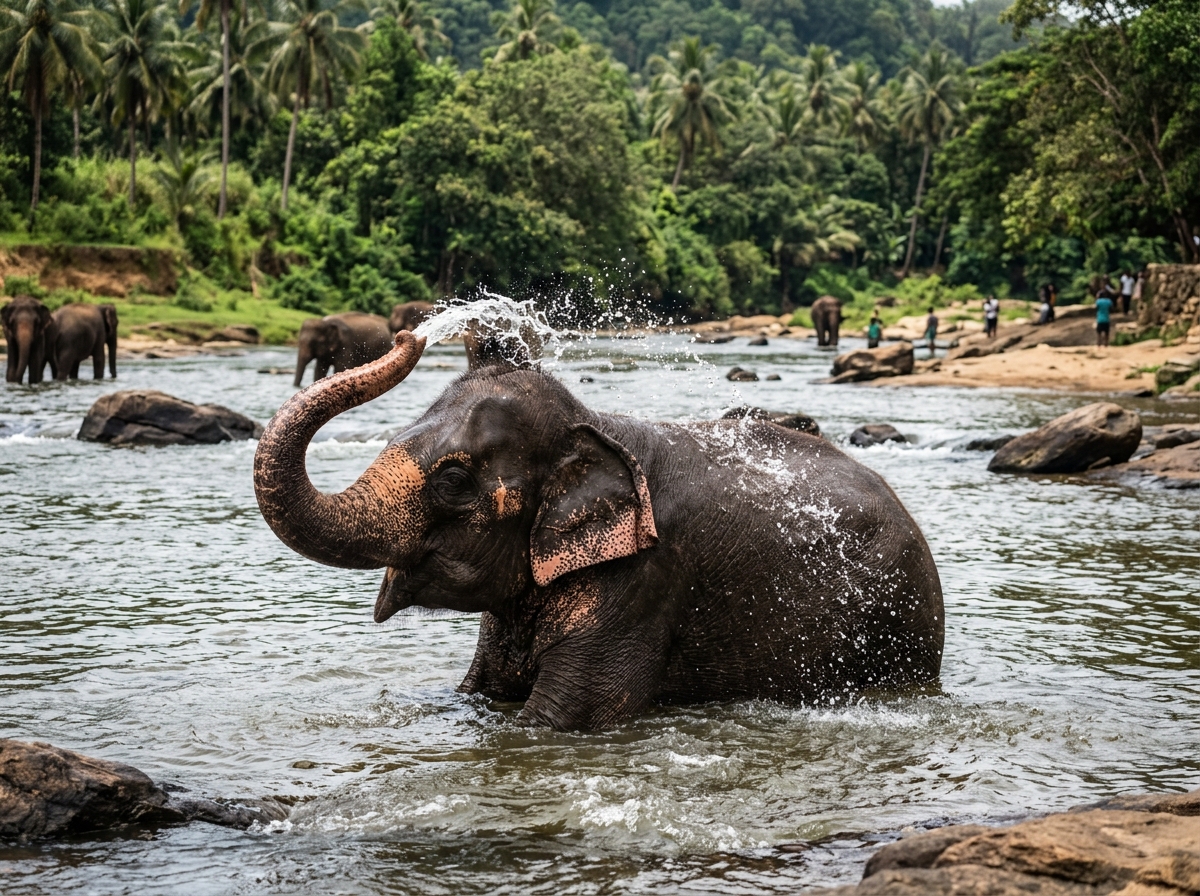
Twice daily, the elephants walk in procession down to the wide, rocky Ma Oya River. Hydrotherapy cools body temperature, cleanses thick skin, and provides vital herd play and socialization.

Visitor Recommendation

The 10:00 AM – 12:00 PM session offers the most extensive herd viewing across the river rapids from riverside verandas.

03. MEET THE HERD

Every elephant has a story

Behind the institution's public identity are individual elephants with different histories, personalities, and care needs.

Use this section to introduce selected elephants through verified profiles, archival photographs, and stories documented by the institution.

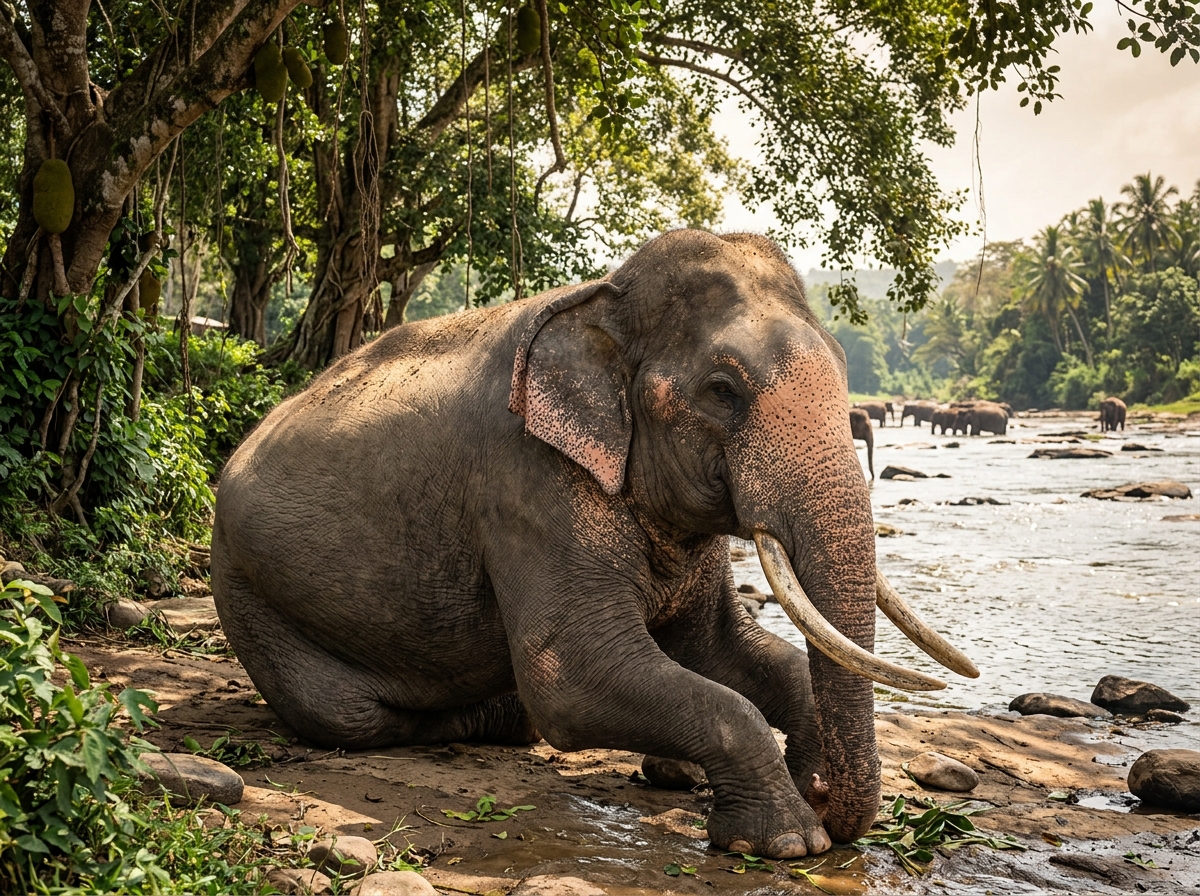
Sukumali elephant portrait
BORN 1984

Sukumali

First captive-born calf at Pinnawala

Background: Born in 1984 to Mathali, Sukumali's birth was a historic breakthrough for the facility, demonstrating the potential for managed captive breeding in Sri Lanka.

Care & Welfare: Ongoing veterinary geriatric monitoring, specialized dietary fiber, and prominent standing within the herd matriarchal structure.

Breeding Milestone Cohort
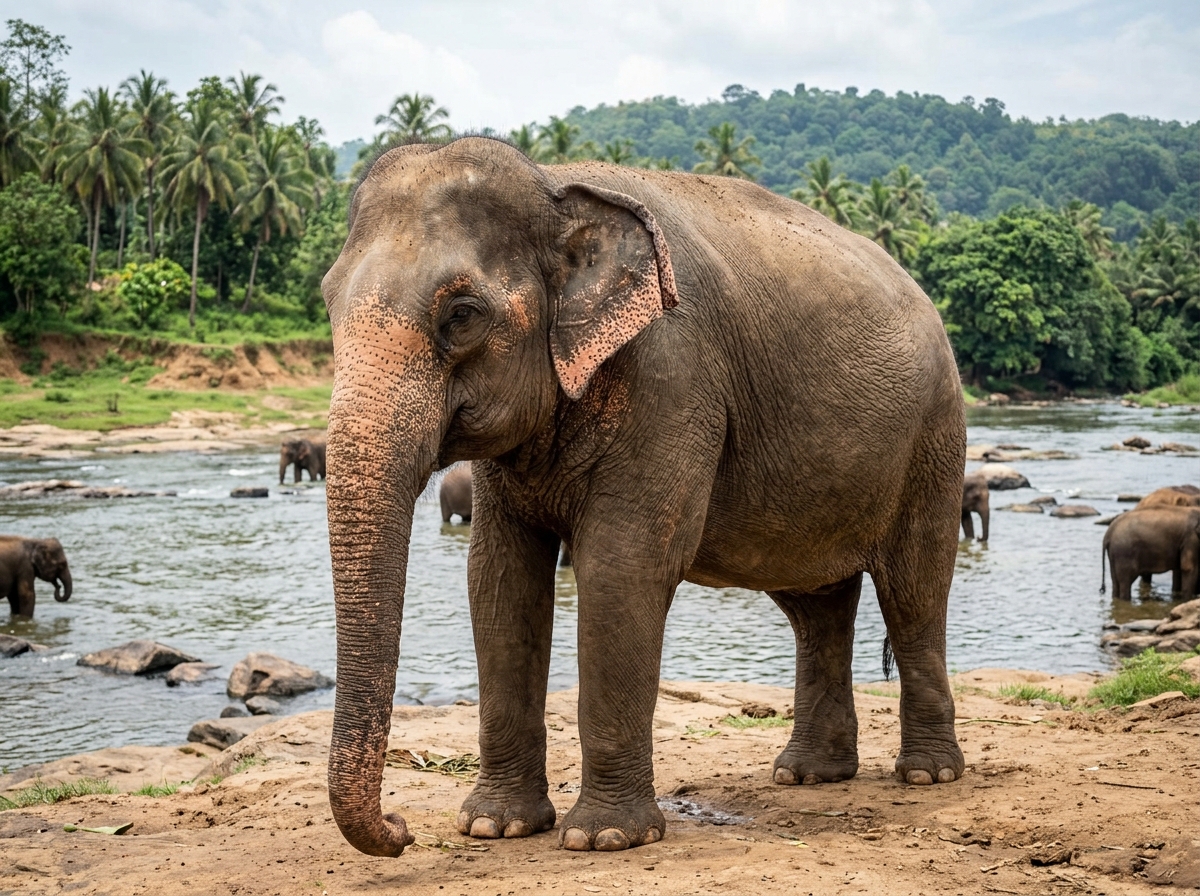
Kumari founding elephant
ARRIVED 1975

Kumari

Original Founding Calf & Matriarch

Background: One of the five original calves brought to Pinnawala when it opened on 16 February 1975 under the Department of Wildlife Conservation.

Care & Welfare: Lifelong specialized management, gentle matriarchal temperament, and daily participation in Ma Oya river baths.

Founding 1975 Nucleus
Neela founding calf
ARRIVED 1975

Neela

Original Founding Matriarch

Background: Rescued in 1975 as a vulnerable wild calf, Neela became an enduring pillar of the early herd, fostering younger orphans over decades.

Care & Welfare: Routine podiatric examinations, managed socialization in spacious paddocks, and specialized nutrient-rich browse.

Founding 1975 Nucleus
Kadira founding calf
ARRIVED 1975

Kadira

Original Founding Male

Background: One of the five founding orphans of 1975, renowned for spirited temperament and strong social bonds with the founding herd.

Care & Welfare: Specialized nutrition, herd socialization, and archival register documentation in Sri Lanka's national conservation records.

Founding 1975 Nucleus
Vijaya founding elephant
ARRIVED 1975

Vijaya

Original Founding Male Pillar

Background: One of the 1975 founding five calves, Vijaya grew to become an influential senior male within the facility herd structure.

Care & Welfare: Senior bull husbandry protocols, joint and podiatric therapy, and high-roughage nutritional rations.

Founding 1975 Nucleus
Mathali founding matriarch
ARRIVED 1975

Mathali

Original Matriarch & Mother of Sukumali

Background: Rescued in 1975, Mathali gave birth to Sukumali in 1984, establishing Pinnawala's successful multi-generational captive breeding dynasty.

Care & Welfare: Senior elephant nutritional care, joint health supplements, and extensive mud wallow enrichment.

Founding 1975 Nucleus
Historic Twin Calves born at Pinnawala in 2021
BORN 2021 · HISTORIC TWINS

The 2021 Twin Calves

Historic Veterinary Milestone (Mother: Surangi)

Background: Pinnawala recorded the birth of twin elephant calves in August 2021, an extraordinarily rare biological event in Asian elephants and the first recorded twin birth at the facility in over 80 years.

Care & Welfare: Intensive supplemental milk nutrition, 24-hour veterinary monitoring, and specialized nursery paddock space to support twin nursing demands.

2021 Milestone Cohort
verified

Institutional Standard: Verified institutional profiles only. Do not invent individual elephant biographies or publish unverified ages.

04. CONSERVATION, BREEDING & ANIMAL WELFARE

Protecting elephants through responsible care

Pinnawala's role includes long-term care, veterinary management, breeding, and public education. These activities also raise important questions about captive elephant welfare, social needs, movement, enrichment, and the quality of human care.

A responsible conservation experience should help visitors understand both the institution's history and the ongoing need for evidence-based elephant welfare.

medical_services

Veterinary Care & Health Monitoring

Full-time resident wildlife veterinarians conduct daily health checks, podiatric foot care, wound management, and geriatric care for elderly elephants.

nutrition

Elephant Nutrition & Daily Care

Each adult elephant consumes hundreds of kilograms of kitul palm, jak leaves, grass, and supplementary minerals daily, supplemented by clean river hydration.

groups

Social Relationships & Herd Behavior

Observing how calves interact with older cows, herd matriarch dynamics during river crossings, and social play during river bathing sessions.

family_history

Captive Breeding & Population Management

Documenting generational births from Sukumali in 1984 to the 2021 twins, analyzing captive reproductive viability and genetic diversity.

verified_user

Responsible Tourism & Animal Welfare

Balancing public educational access with animal welfare, ensuring strict adherence to non-invasive viewing distances, banning abusive equipment, and fostering public consciousness of wild elephant conservation.

05. VISIT PINNAWALA

Experience Sri Lanka's elephant heritage

Plan your visit around the daily schedule and follow all instructions from authorized staff.

Opening Time 8:30 AM According to schedule
Closing Time 6:00 PM Counter closes 5:00 PM
Location Pinnawala Rambukkana, Sri Lanka
River Ma Oya Bathing location
Payments Sri Lankan Rupees All payments in LKR
Special Programme

Elephant Fruit-Feeding Programme

Fruit Basket: LKR 590

The supplied information lists a fruit basket at LKR 590, with the programme beginning at 9:15 AM and continuing until the available fruit supply is exhausted or 2:00 PM, whichever comes first.

Availability, price, and visitor participation rules should be confirmed before a visit. All interactions remain strictly subject to authorized staff supervision.

06. PARK RULES & VISITOR RESPONSIBILITY

Respect the animals. Protect the environment.

Visitors must follow the institution's rules and directions from authorized staff at all times.

volume_off Do not bring pets or prohibited noise-producing equipment.
delete_outline Dispose of waste correctly and follow plastic and polythene restrictions.
smoke_free Smoking, alcohol, and prohibited substances are not allowed within restricted premises.
fence Do not enter unauthorized areas or climb barriers.
pan_tool Never touch, feed, or approach elephants except where an officially authorized programme specifically permits it.
front_hand Do not harass, provoke, or obstruct animals.
lock Keep valuables secure at all times.
badge Use officially authorized guides and services.
directions_walk Follow staff instructions during elephant movement and bathing activities.
gavel

Legal Warning: Animal harassment may result in removal from the premises or penalties under applicable rules and wildlife protection legislation.

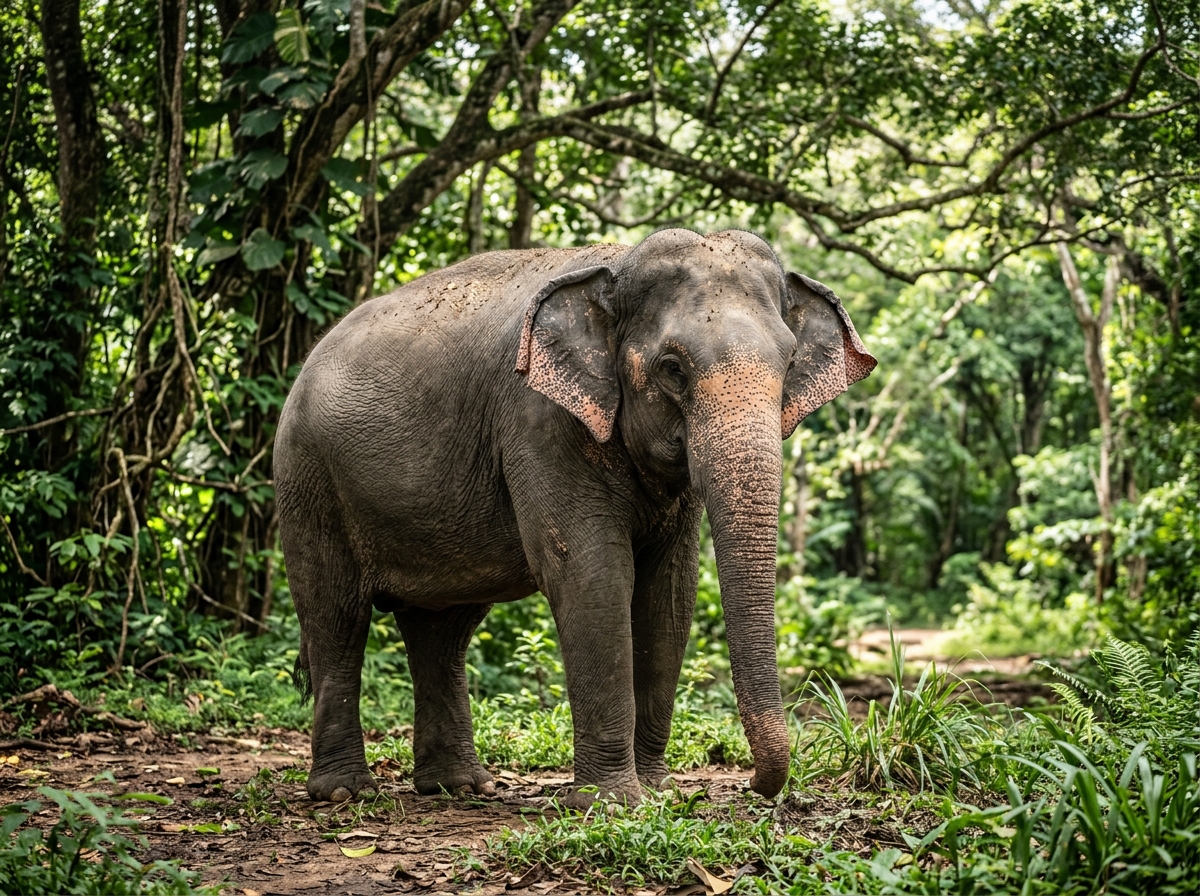
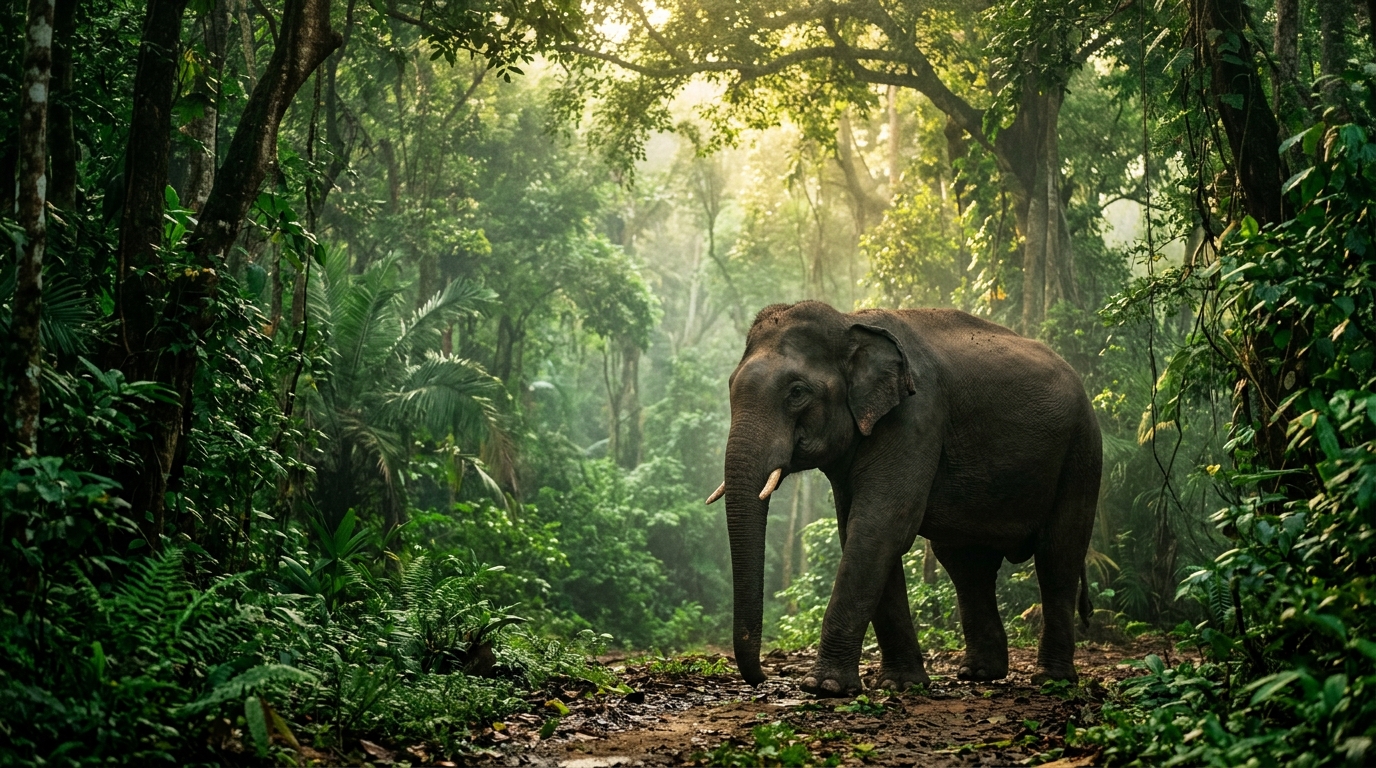
Sri Lankan elephant in lush forest sanctuary
07. VOLUNTEERING & EDUCATION

Learn more. Contribute responsibly.

Pinnawala's supplied content mentions volunteer programmes and research opportunities. Visitors interested in participating should contact the institution to confirm current programme availability, eligibility, supervision, and animal-welfare requirements.

Responsible participation should prioritize the elephants' welfare and the work of qualified animal-care professionals.