Gaja Lanka
Gaja Lanka National Elephant Observatory
ELEPHANT CARE · REHABILITATION · CONSERVATION

TWO PATHS. ONE FUTURE FOR SRI LANKA'S ELEPHANTS.

Discover the institutions caring for orphaned elephants in Sri Lanka, from long-term care and captive breeding at Pinnawala to the rehabilitation of orphaned wild calves at Udawalawe.

Explore their histories, daily routines, conservation missions, and the people working to protect the future of Sri Lanka's elephants.

SECTION 01

Two Institutions, Two Missions

Sri Lanka's elephant-care institutions play different roles in the protection and management of elephants. Understanding these differences helps visitors appreciate the challenges of elephant welfare and conservation.

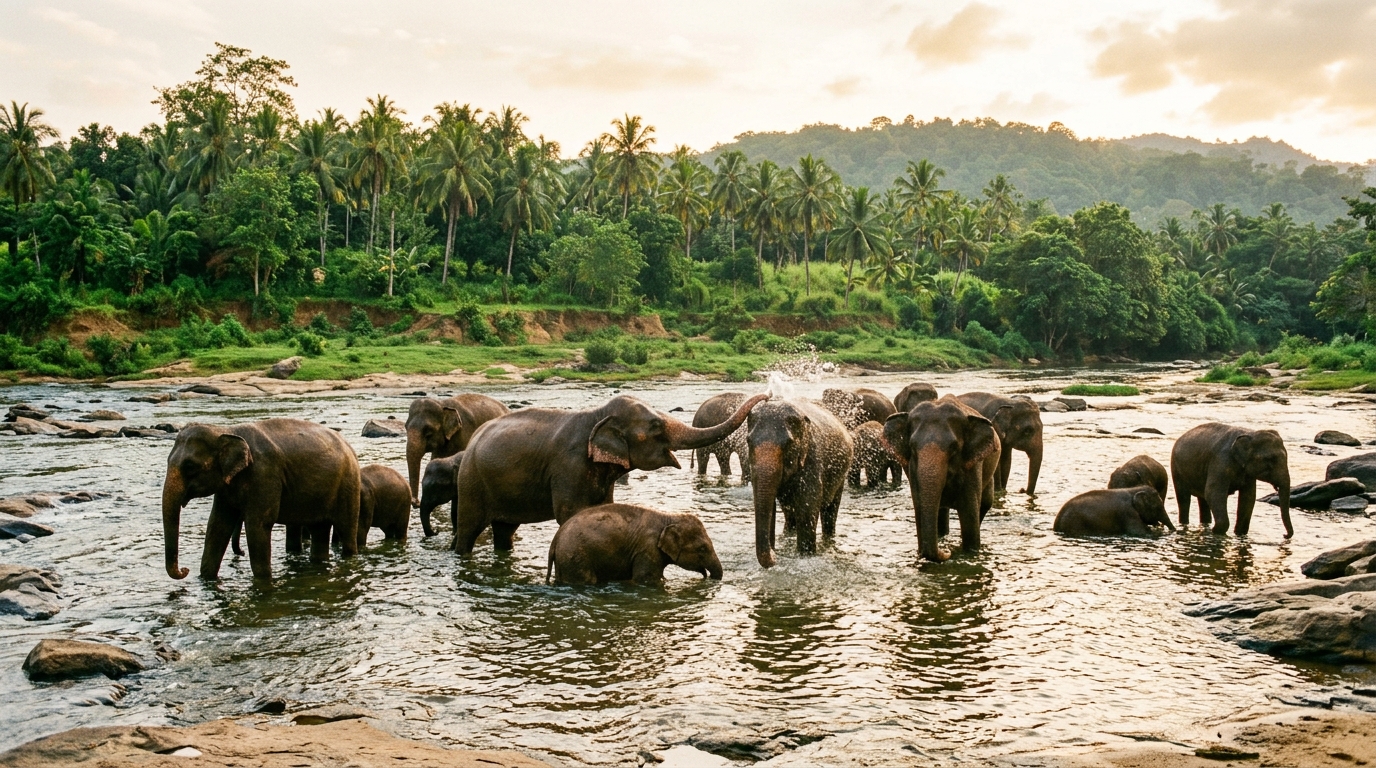
Pinnawala Elephant Orphanage herd in Ma Oya River
ESTABLISHED 1975 · RAMBUKKANA
A LEGACY OF CARE SINCE 1975

Pinnawala Elephant Orphanage

Established on 16 February 1975 by the Department of Wildlife Conservation, Pinnawala began with five orphaned elephant calves. It has grown into a well-known elephant-care institution and tourist destination.

The facility provides long-term care for elephants, veterinary support, managed breeding, and opportunities for visitors to learn about elephant behavior and welfare.

Key Highlights

  • check_circle Established in 1975.
  • check_circle Long-term elephant care.
  • check_circle Veterinary attention and managed breeding.
  • check_circle Public education and visitor experiences.
  • check_circle Daily elephant routines and river bathing in Ma Oya.
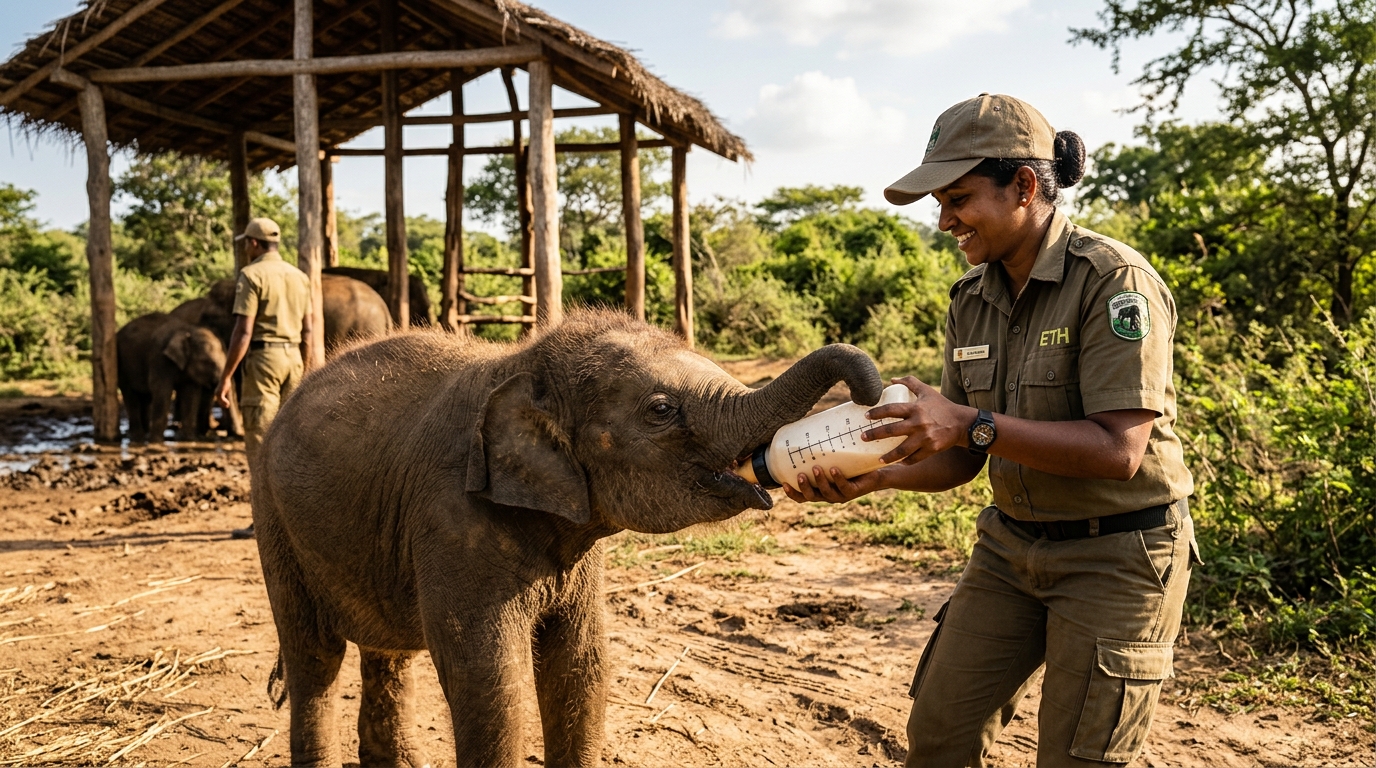
Udawalawe Elephant Transit Home ranger feeding calf
ESTABLISHED 1995 · DWC UDAWALAWE
A JOURNEY BACK TO THE WILD

Udawalawe Elephant Transit Home

Established in 1995, the Elephant Transit Home near Udawalawe National Park was developed to care for orphaned wild elephant calves and prepare suitable individuals for eventual release into the wild.

Its conservation approach emphasizes rehabilitation, monitoring, and the opportunity for elephants to rejoin free-ranging populations.

Key Highlights

  • check_circle Established in 1995.
  • check_circle Specialized care for orphaned wild calves.
  • check_circle Rehabilitation for eventual release.
  • check_circle Wildlife veterinary care and monitoring.
  • check_circle Radio-collar tracking has been used to monitor released elephants.
Comparative Ethology & Protocol

Contrasting the Two Conservation Paradigms

A side-by-side comparative analysis of management structures, human-elephant contact, herd socialization, and post-facility outcomes.

Dimension Pinnawala Elephant Orphanage Udawalawe Elephant Transit Home
Primary Goal Lifelong sanctuary care, public education & captive breeding Rehabilitation of orphaned wild calves for eventual release
Foundation Year 1975 (with 5 orphaned calves) 1995 (under Department of Wildlife Conservation)
Human Interaction Close managed contact, fruit-feeding programmes, bathing viewing Strictly minimized contact to prevent human habituation
Herd Socialization Multi-generational captive herd with established social bonds Peer-group orphan cohort forming natural wild-bonding groups
Intended Outcome Sustained lifelong welfare under human care Full re-integration into free-ranging wild elephant populations
Post-Care Monitoring Continuous on-site veterinary and mahout health records VHF & GPS radio-collar field tracking across national park landscapes
FINAL SECTION

CHOOSE YOUR JOURNEY

TWO INSTITUTIONS. DISTINCT CONSERVATION PATHWAYS.

history_edu

Pinnawala Elephant Orphanage

Explore the history of long-term elephant care, captive breeding, public education, and the daily life of a managed herd.

nature_people

Udawalawe Elephant Transit Home

Discover the rescue, rehabilitation, monitoring, and release of orphaned wild elephant calves.

“Protecting elephants means understanding their needs, respecting their nature, and making informed conservation choices.”

GAJA LANKA — The Legacy of Giants. The Future of Coexistence.