Gaja Lanka
Gaja Lanka National Elephant Observatory
CEYLON RAINFOREST CANOPY • ELEPHAS MAXIMUS MAXIMUS

SANCTUARY OF THE ISLAND GIANTS

THE WILD MONARCHS

An empirical conservation monograph chronicling 2,500 years of cultural reverence, colonial highland loss, and modern field science to secure coexistence for Sri Lanka's sacred wild herds.

Wild Census monitoring
~7,451
2026 range estimate
Tusked Males (Ath-Dhal) shield
< 2.5%
Rare evolutionary gene pool
The Great Gathering groups
350+
Minneriya congregation
Annual Casualties warning
~400+
Human-Elephant Conflict
Real-Time News Wire • Google News API

Latest Conservation News & Field Intelligence

Live verified reports on elephant protection initiatives, human-elephant coexistence, and judicial safeguards directly from international and Sri Lankan correspondents.

View All News →
In Sri Lanka, human-elephant conflict takes deadly toll
HEC COEXISTENCE
calendar_month October 13, 2026 • Reuters

In Sri Lanka, human-elephant conflict takes deadly toll

Frontline coexistence report by Reuters: Investigating human-elephant encounters, agricultural interface barriers, and escalating casualties across dry-zone agricultural heartlands.
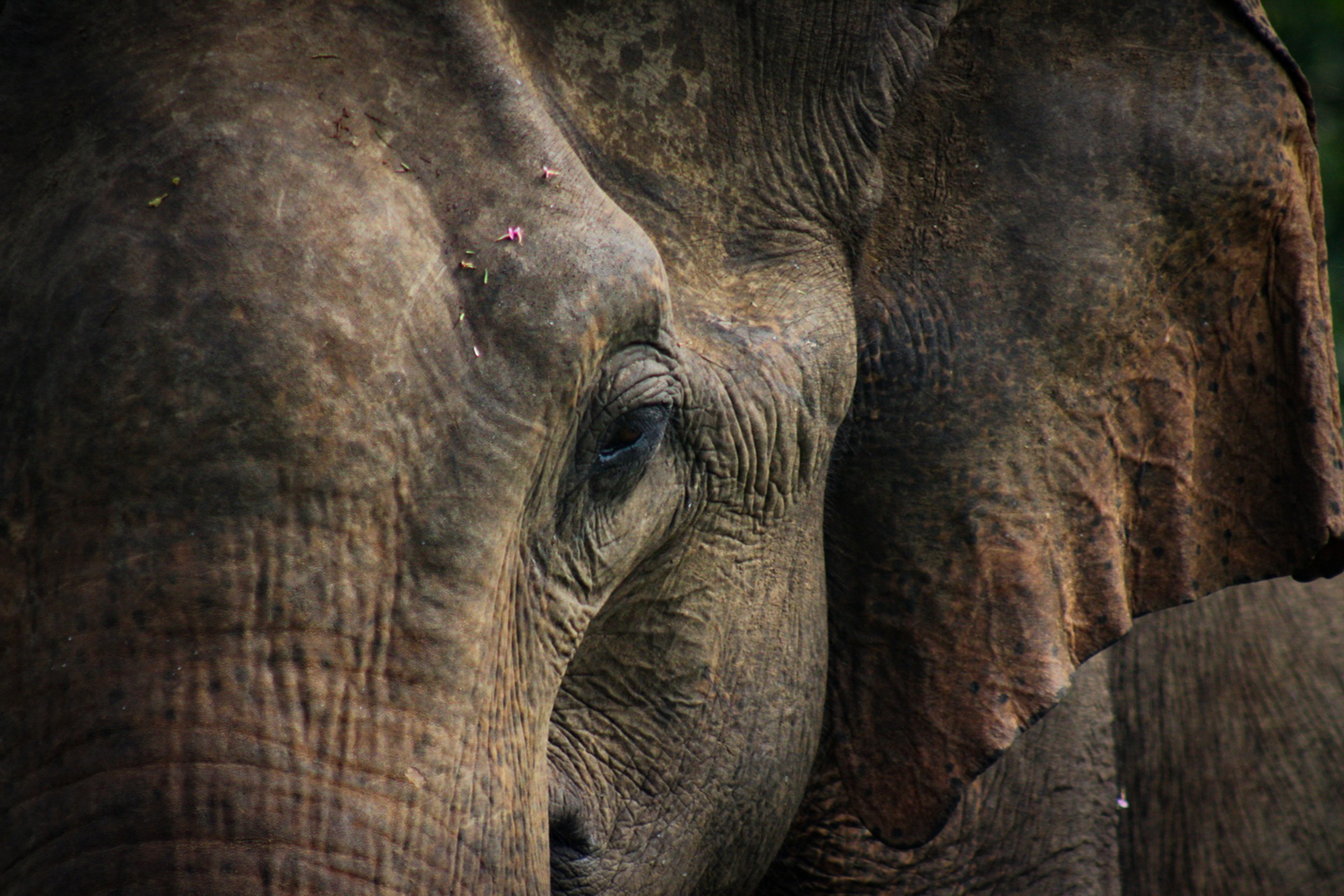
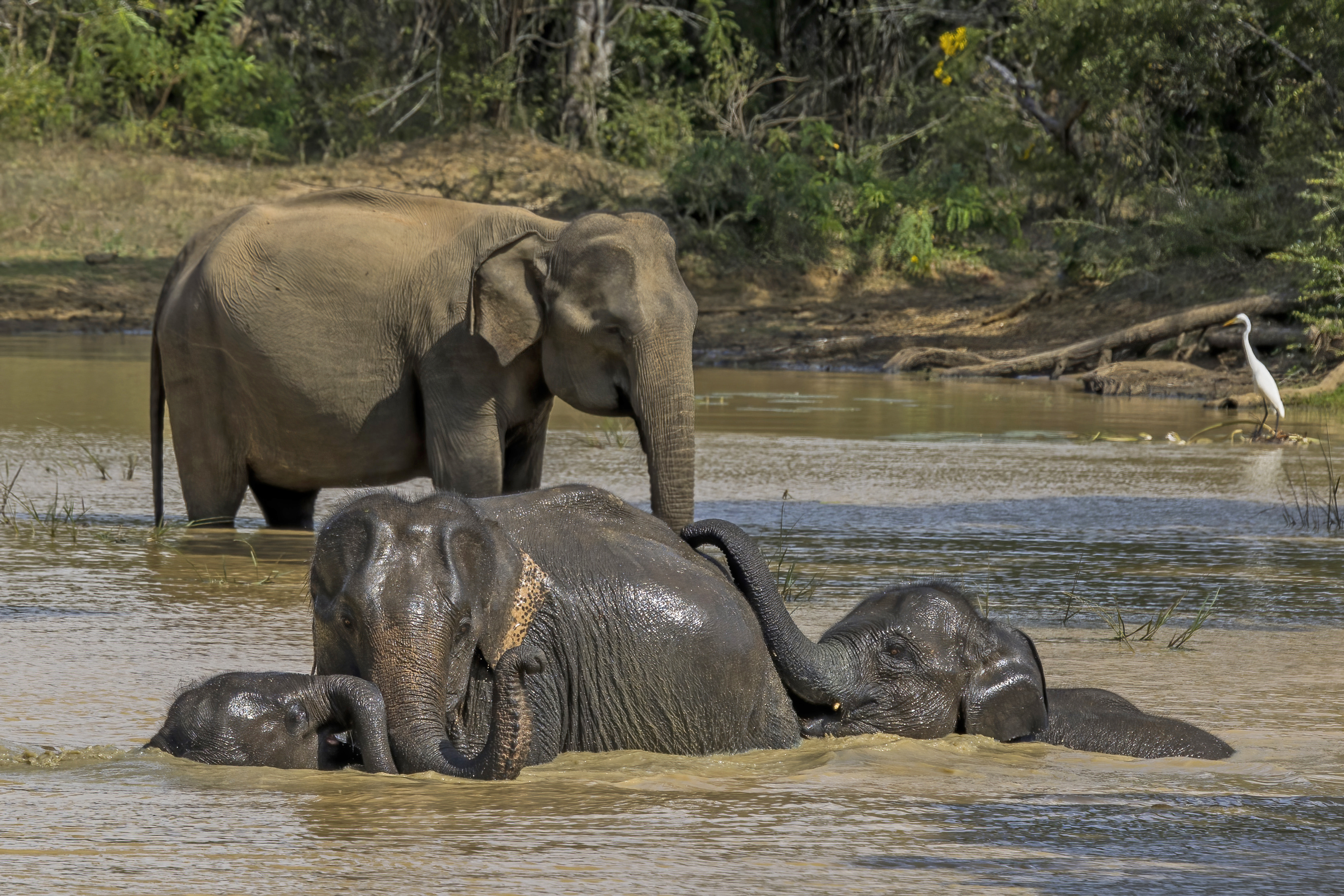
Sri Lanka elephant found with a gunshot wound. How can tuskers be protected? - news
WELFARE & PROTECTION
calendar_month October 09, 2026 • Mongabay

Sri Lanka elephant found with a gunshot wound. How can tuskers be protected? - news

Wildlife veterinary bulletin via Mongabay: Field teams and wildlife veterinarians respond to urgent tusker injuries, assessing poaching threats and critical veterinary interventions.

Elephants eat their crops. Farmers strike back. It's a war that's only getting worse
HEC COEXISTENCE
calendar_month May 16, 2026 • NPR

Elephants eat their crops. Farmers strike back. It's a war that's only getting worse

Frontline coexistence report by NPR: Investigating human-elephant encounters, agricultural interface barriers, and escalating casualties across dry-zone agricultural heartlands.
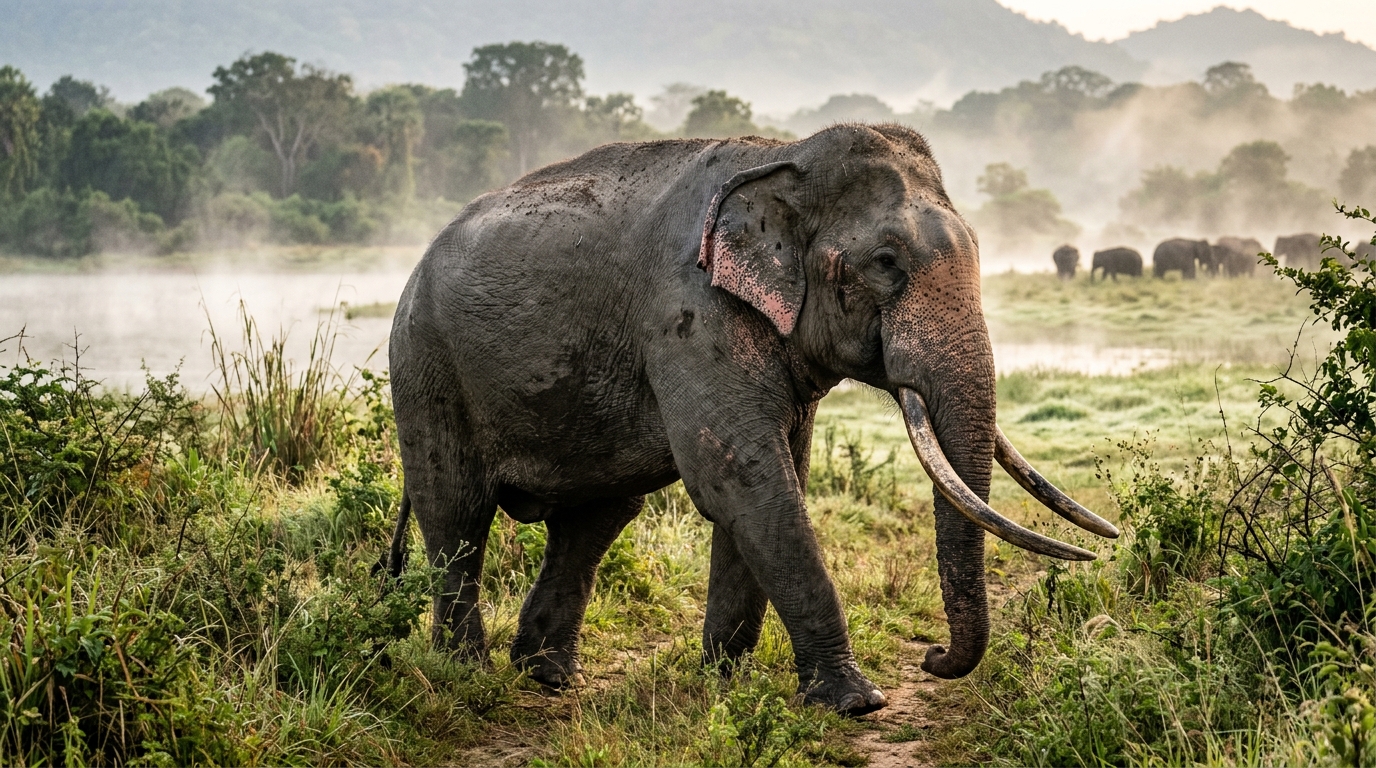
National Pantheon • 1 Flagship Specimen Per Registry Category

Most Famous Elephants of Sri Lanka: Living & Deceased

Representing 68 chronicled national treasures across 5 primary conservation registries: Living Wild Monarchs, Fallen Wild Giants, Sacred Temple Sovereigns, Domestic Working Lineages, and Orphanage Pioneers.

Agbo of Thirappane
LIVING WILD • GPS TRACKED Wild Living
Anuradhapura Wilds

Agbo of Thirappane

තිරප්පනේ අග්බෝ

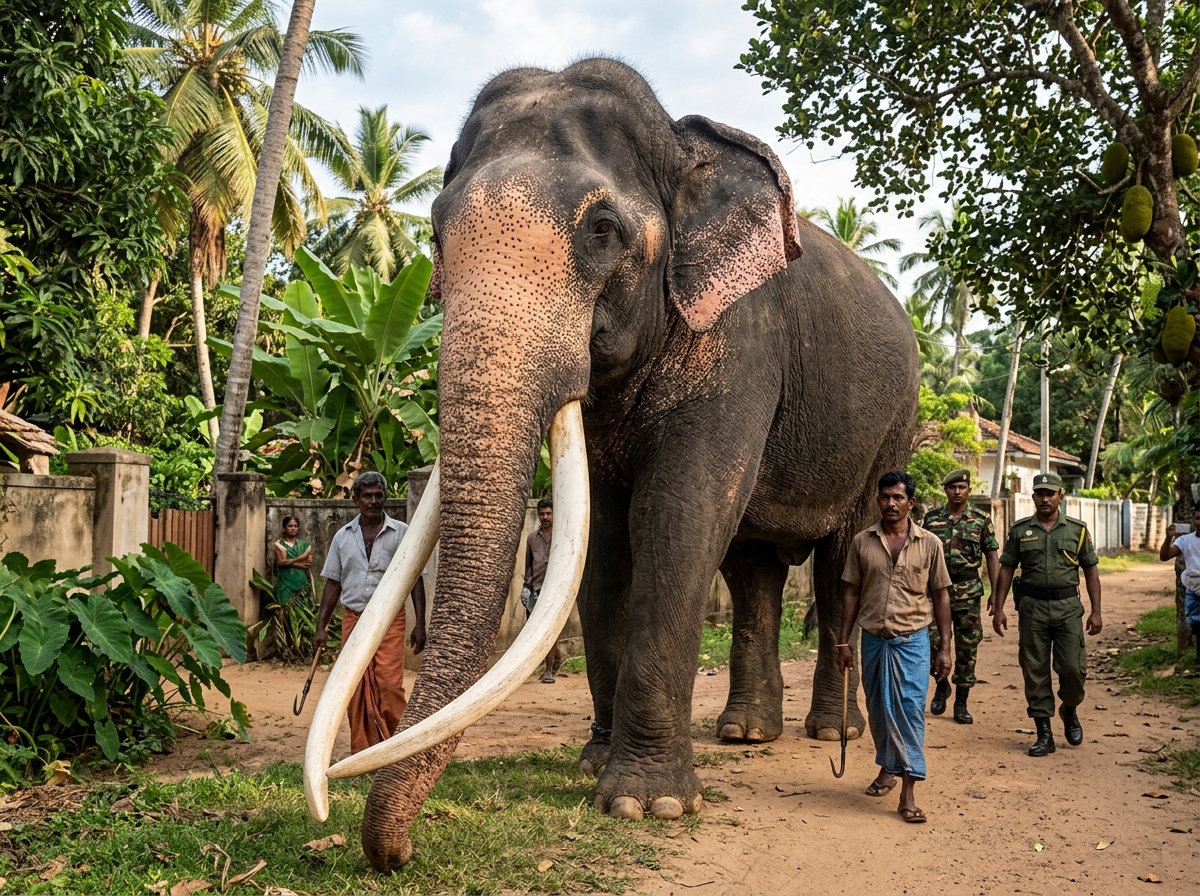
Celebrated solitary wild tusker of the ancient tank cascades. Survived severe gunshot injuries through nationwide DWC veterinary mobilization and ongoing satellite telemetry tracking.

Kawanthissa of Galgamuwa
FELL OCT 16, 2026 • GUNSHOT Wild Fallen
11 ft Tallest Wild Giant

Kawanthissa

කාවන්තිස්ස

Sri Lanka's tallest wild tusker (nearly 11 ft). Shot in Galgamuwa, he was treated for 3 weeks by DWC vets before tragically passing on Oct 16, 2026, prompting national conservation reforms.

Nadungamuwa Raja
DECEASED • 1953–2022 Sacred
10.5 ft National Treasure

Nadungamuwa Raja

නැදුන්ගමුවේ රාජා

Declared a National Cultural Treasure. The 10.5-foot tusker walked 90km on foot under military honor escort to carry the Sacred Tooth Relic casket at the Kandy Esala Perahera.

Sak Surin (Muthu Raja)
ROYAL THAI TUSKER • 2023 Domestic
Aluthgama Kande Viharaya

Sak Surin (Muthu Raja)

මුතු රාජා

Gifted by Thailand's Royal Family in 2001. A majestic tusker with curved ivory tusks whose 2023 medical repatriation flight to Chiang Mai transformed Asian captive welfare protocols.

Sukumali
1ST CAPTIVE BIRTH • 1984 Orphanage
Pinnawala Herd History

Sukumali

සුකුමලී

Born on July 5, 1984 to father Vijaya and mother Kumari. Sukumali represents the historic first-ever captive birth in the Pinnawala Elephant Orphanage, proving conservation breeding viability.

ECOLOGICAL WONDER OF ASIA

The Great Gathering at Minneriya

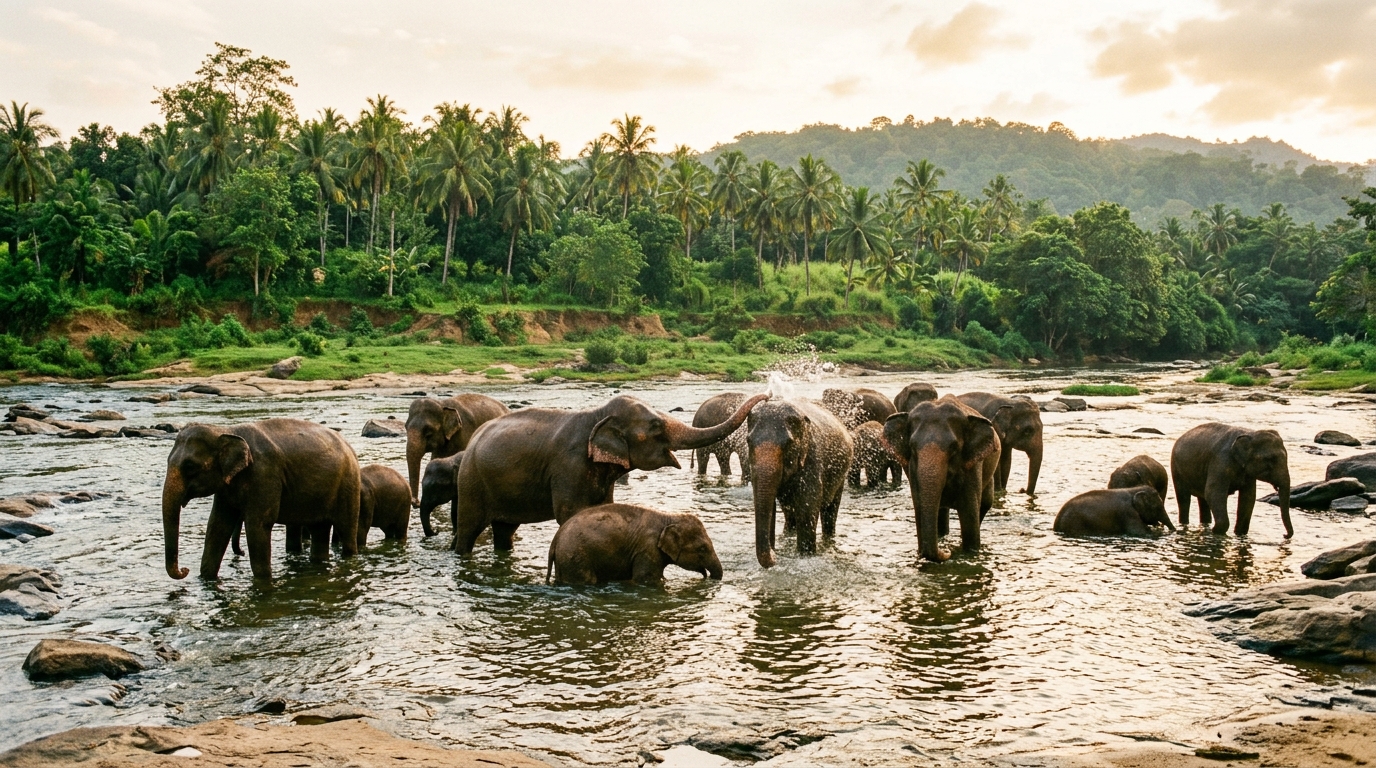
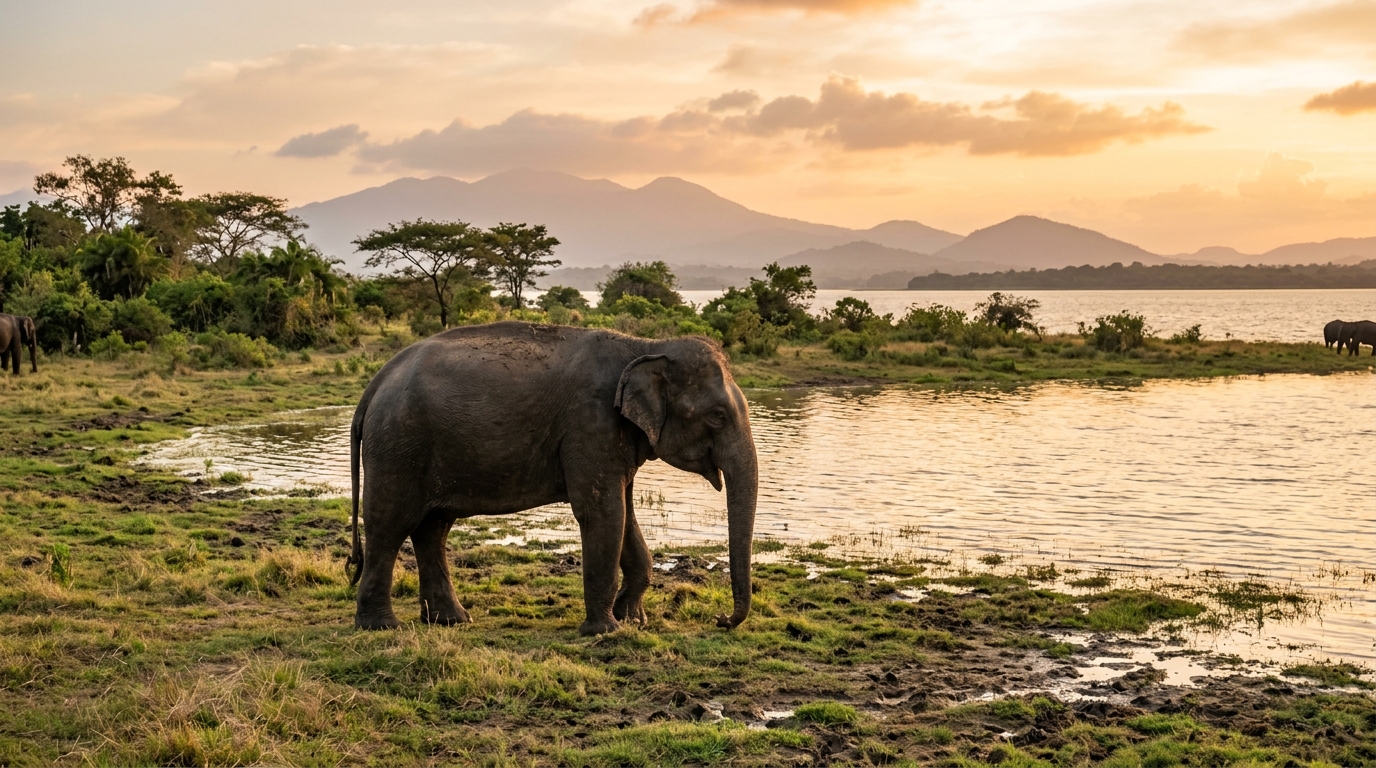
During the dry season from July to October, hundreds of wild Asian elephants congregate on the lush receding mudflats of the ancient Minneriya reservoir. It is recognized as one of the world's greatest wildlife spectacles.

Featured Institution Dossier

Two Paths. One Future for Sri Lanka's Elephants.

Explore the institutions caring for orphaned elephants in Sri Lanka, from long-term care and captive breeding at Pinnawala to the rehabilitation of orphaned wild calves at Udawalawe.

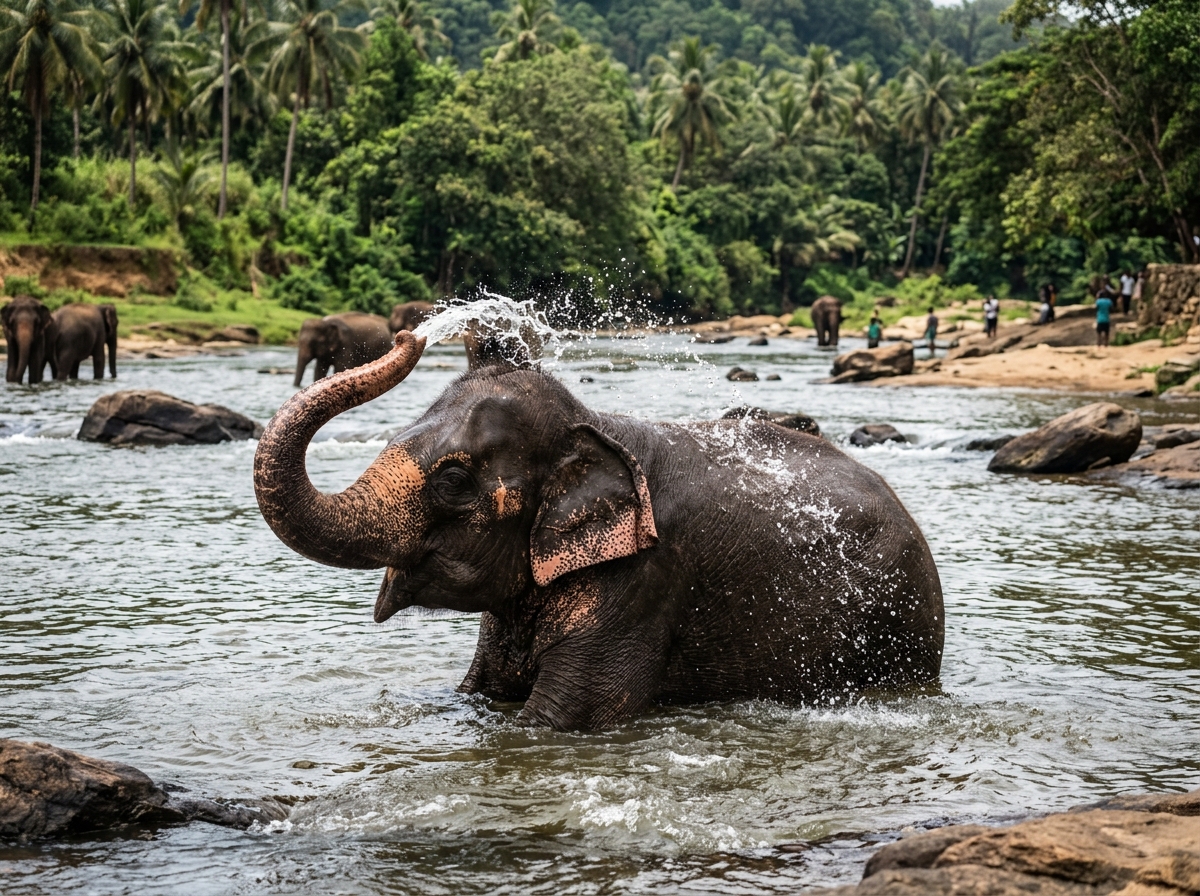
Pinnawala Elephant Orphanage herd in Ma Oya River
Est. 1975 • Rambukkana
A Legacy of Care Since 1975

Pinnawala Elephant Orphanage

Long-term captive management, veterinary attention, managed breeding, daily Ma Oya river bathing routines, and public education.

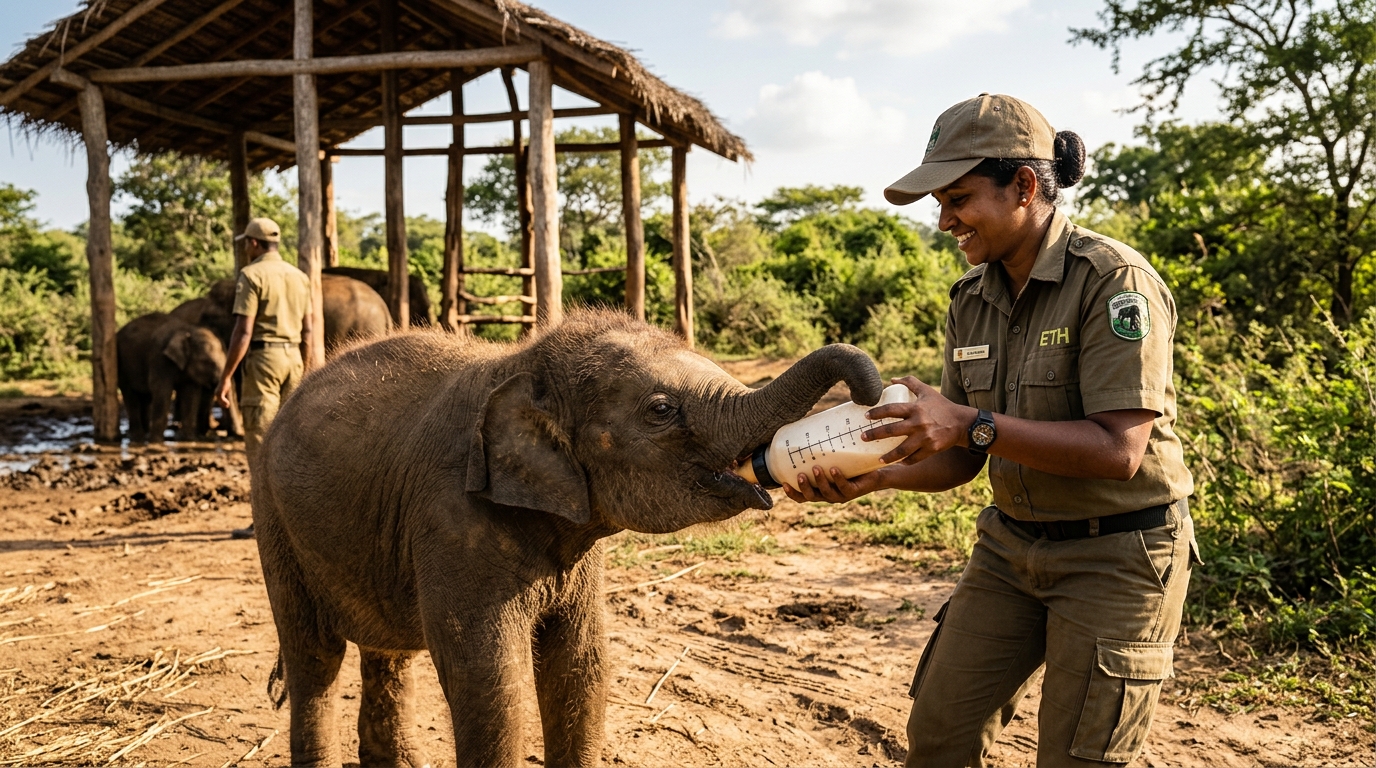
Udawalawe Elephant Transit Home ranger feeding calf
Est. 1995 • DWC
A Journey Back to the Wild

Udawalawe Elephant Transit Home

Specialized wild calf rescue, structured 5-stage rehabilitation, radio-collar field tracking, and monitored re-integration into natural habitats.

Scientific Epistemic Baseline Empirical Ethology vs Popular Belief

Myths vs. Ecological Realities

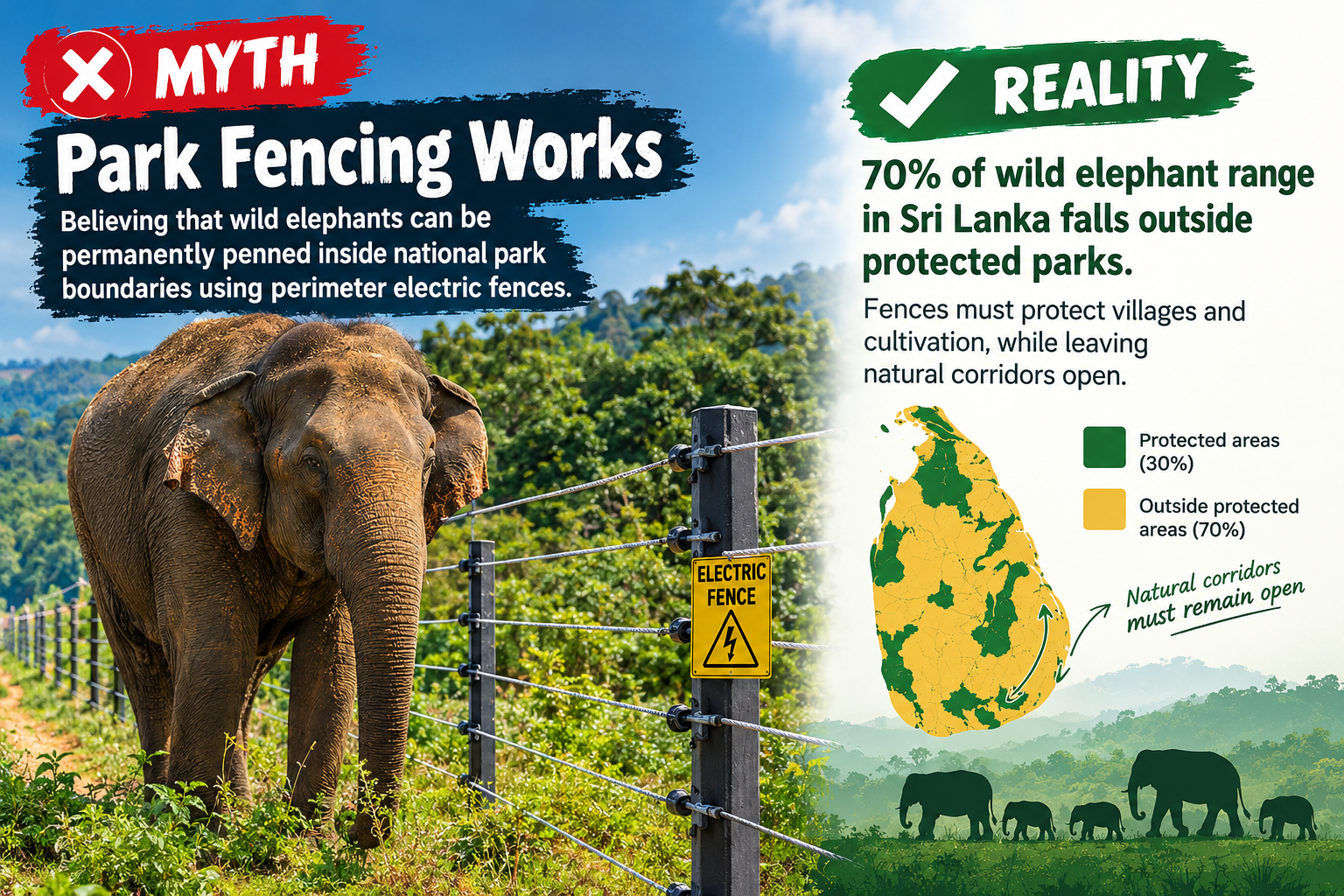
Infographic: Myth vs Reality - Park Fencing Works. 70% of wild elephant range in Sri Lanka falls outside protected parks.
zoom_in View Full Infographic
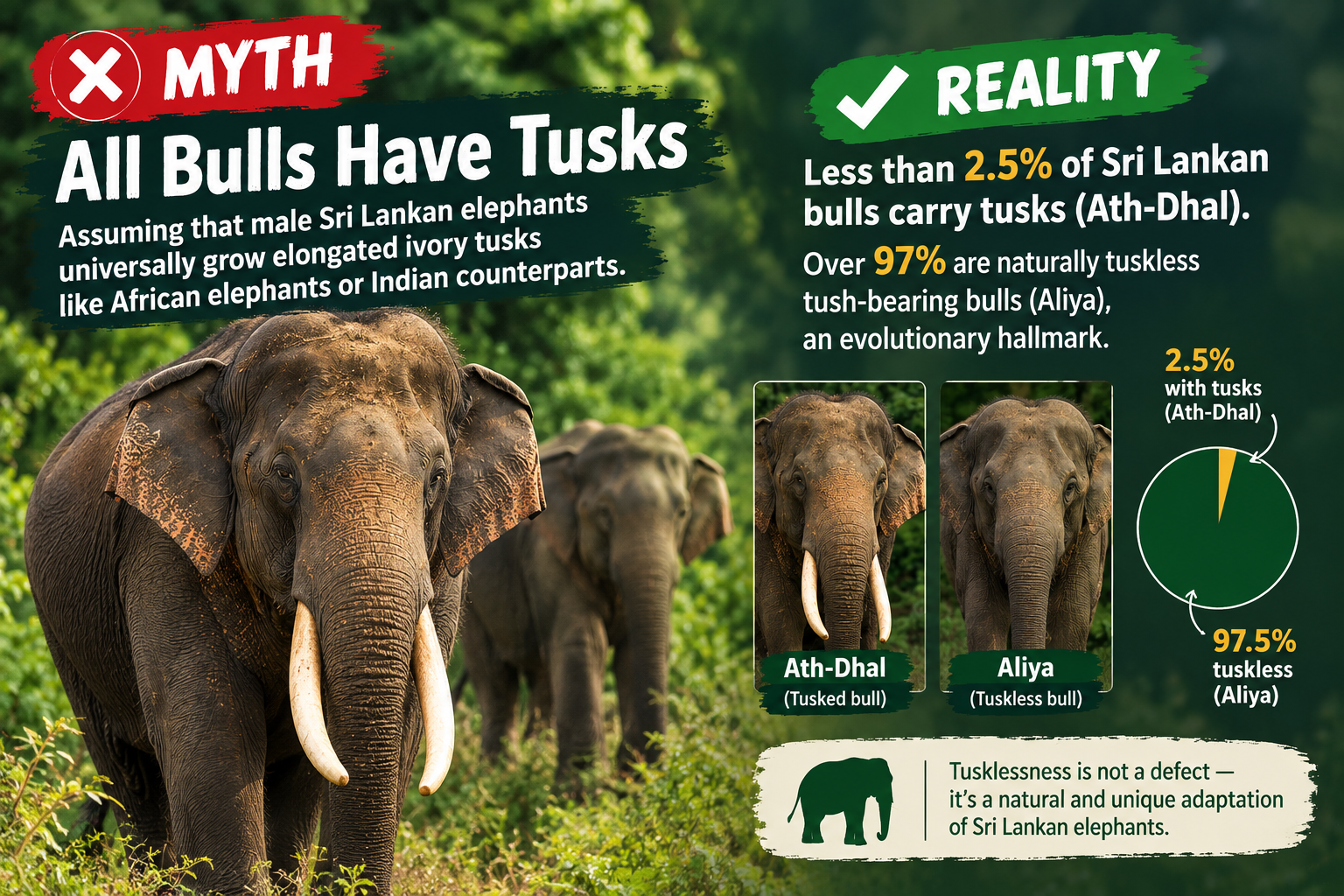
Infographic: Myth vs Reality - Sri Lankan Elephant Tusks. Less than 2.5% of Sri Lankan bulls carry tusks (Ath-Dhal); over 97% are naturally tuskless Aliya.
zoom_in View Full Infographic
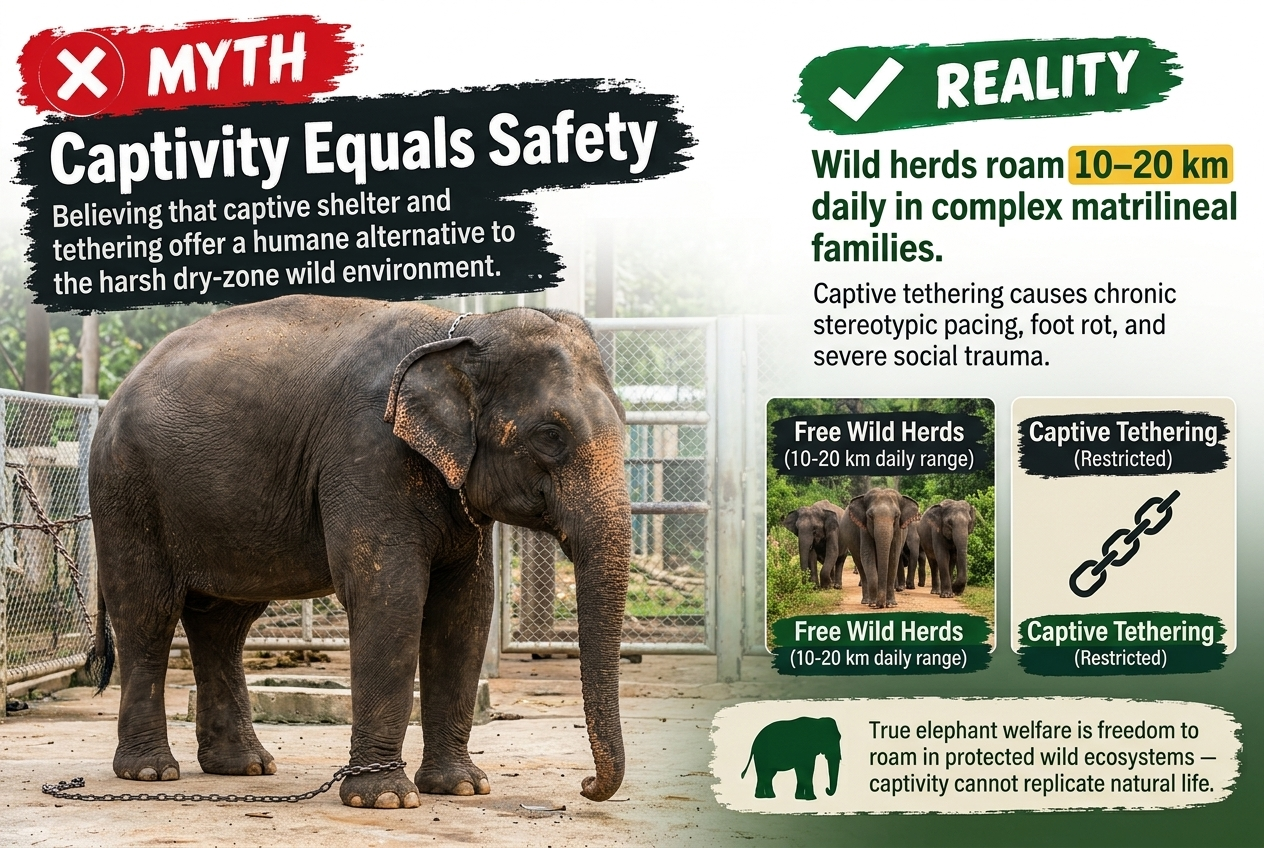
Infographic: Myth vs Reality - Captivity Equals Safety. Wild herds roam 10–20 km daily while captive tethering causes severe foot rot and trauma.
zoom_in View Full Infographic
Open Science Initiative CC BY 4.0 International

Download Open Conservation Datasets

Access verified empirical population timeseries from 1800 to 2026, cause-of-death diagnostics, and GIS corridor boundaries formatted for Python, R, and GIS tools.